Over the past 12 months, weight-loss peptides such as Ozempic, Wegovy and Mounjaro have become one of the biggest talking points in health and fitness. For many people, they have delivered life-changing results by helping reduce appetite, improve blood sugar control and achieve significant weight loss.
There’s no denying that these medications are changing lives.
However, as with any new treatment, it’s important to look beyond the number on the scales and ask a bigger question.
What are we really losing?
Weight Loss Isn’t Just About Fat
When most people lose weight, they don’t lose fat alone. A percentage of the weight lost comes from lean muscle tissue, and in some cases bone density can also be affected.
This is particularly important for adults over 50.
From around the age of 30, we naturally begin losing muscle mass unless we actively work to maintain it. Bone density also gradually declines, especially in post-menopausal women. Losing additional muscle and bone during rapid weight loss can increase the risk of falls, fractures, reduced mobility and a lower quality of life later in life.
While losing excess body fat has enormous health benefits, preserving muscle and bone should be just as high a priority.
Muscle Is Your Insurance Policy
Many people think of muscle as something that simply makes you look stronger.
In reality, muscle is one of the most important organs for healthy ageing.
Strong muscles help you:
- Stay independent for longer.
- Improve balance and reduce your risk of falls.
- Support healthy joints.
- Improve blood sugar regulation.
- Boost metabolism.
- Make everyday activities easier.
- Recover more quickly from illness or injury.
When muscle is lost, everyday life becomes harder.
That’s why maintaining lean muscle during any weight-loss journey should never be an afterthought.
Strength Training Is Essential
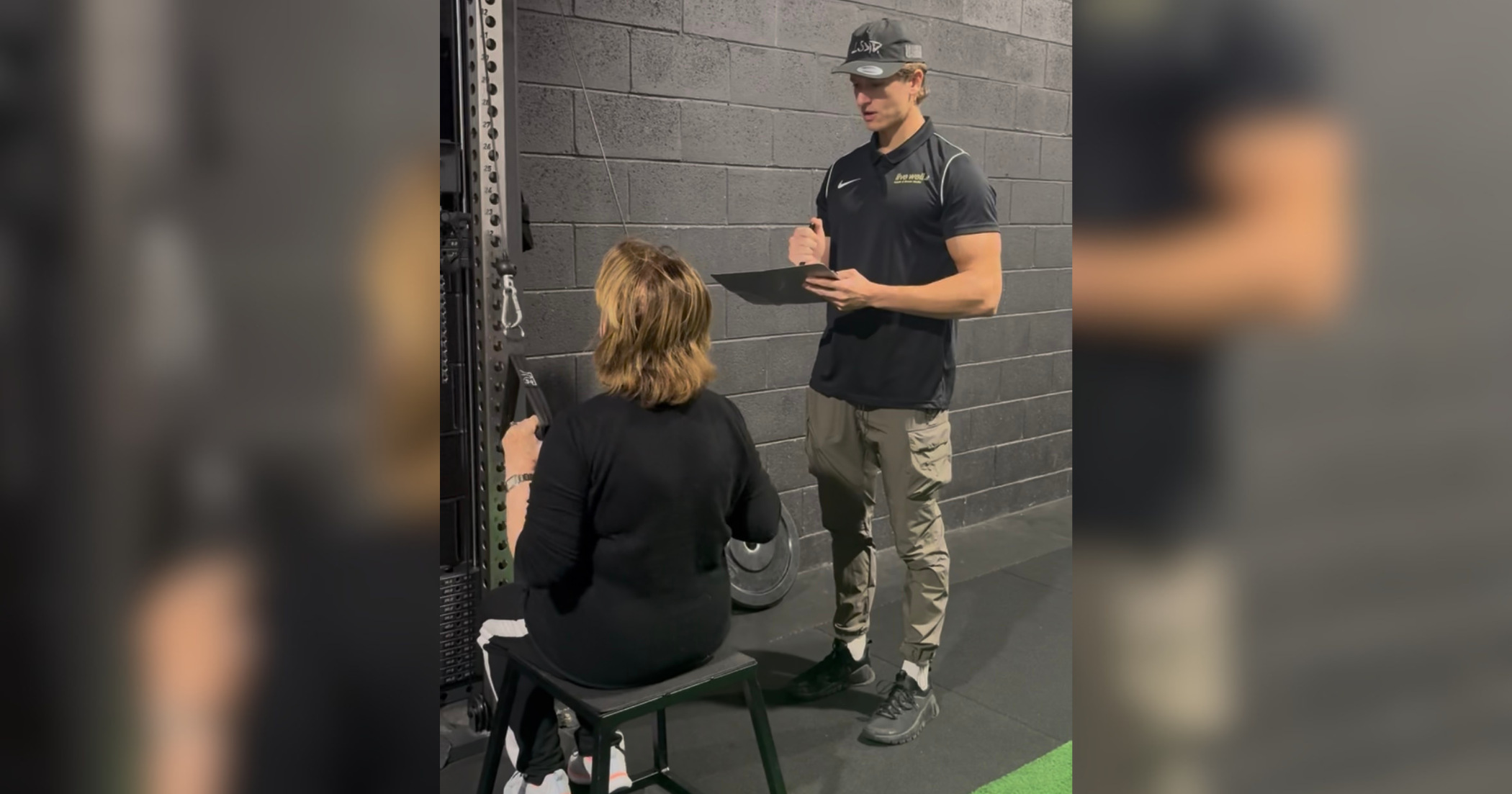
Whether you’re losing weight naturally or with the help of medication, resistance training should be part of your weekly routine.
Strength training sends a signal to your body that says:
“Keep this muscle. I still need it.”
Without that signal, your body is more likely to break down muscle tissue as weight comes off.
Research consistently shows that combining resistance training with adequate protein intake is one of the most effective ways to minimise muscle loss during weight reduction.
The goal isn’t simply to become lighter.
The goal is to become healthier, stronger and more capable.
Who Is Really in Control?
Weight-loss medications can be incredibly effective, but they aren’t designed to replace healthy habits.
The long-term success of any weight-loss journey still comes back to the same fundamentals:
- Eating nutritious foods most of the time.
- Staying physically active.
- Building strength.
- Sleeping well.
- Managing stress.
- Creating habits you can maintain for years, not just months.
For some people, medication provides the opportunity to finally make these lifestyle changes. For others, there may be a temptation to rely solely on the medication.
Only time and ongoing research will tell us what long-term success looks like for different individuals.
The Goal Isn’t Just Weight Loss
At Live Well Health & Fitness Studio, we’ve never believed the scales tell the whole story.
We care far more about whether you can:
- Carry your shopping with ease.
- Climb stairs without getting breathless.
- Pick up your grandchildren.
- Stay independent as you age.
- Travel confidently.
- Continue doing the things you love.
Those outcomes don’t come from losing kilograms alone.
They come from building strength, improving fitness and creating habits that last.
If you’re considering weight-loss peptides, or you’re already taking them, don’t overlook the importance of resistance training. Protecting your muscle and bone health today will have a profound impact on how well you move, feel and live in the years ahead.
Weight loss is a fantastic goal.
But ageing well is an even better one.
Related blog post:
- Exercising Safely While on Ozempic & GLP-1 Medications
- Why You’re Not Seeing Results (And It’s Not What You Think)
- Strength Training While on Ozempic or Wegovy. Why It’s Essential
- Ozempic, Wegovy & GLP-1 Medications, What They Do and What They Don’t.
- Using GLP-1 Medications as a Tool, NOT a Magic Pill/Jab