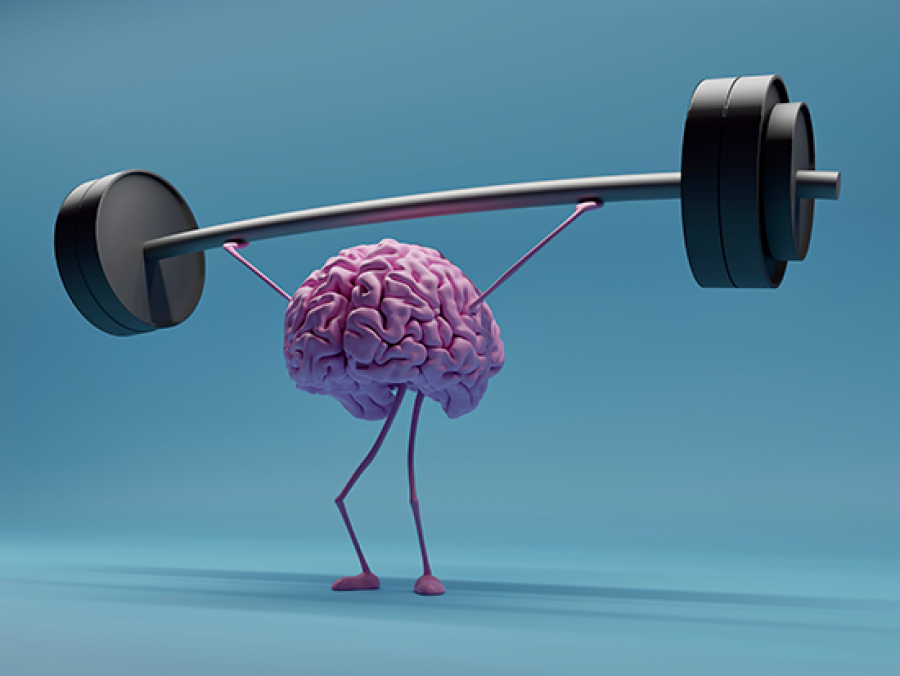
When people think about exercise, they often think about weight loss, building muscle or improving heart health.
But one of the biggest benefits of regular exercise is happening inside your head.
What Is Neuroplasticity?
Your brain is constantly changing. Scientists call this neuroplasticity. It’s your brain’s incredible ability to create new connections, strengthen existing ones and even develop new pathways throughout your life.
For decades, researchers believed that once we reached adulthood, our brains gradually declined and there was little we could do about it.
Today, we know that’s simply not true.
A large study published in Scientific Reports followed nearly 4,000 adults aged between 19 and 94 over three years. The researchers found that people improved their cognitive function regardless of their age. Even more encouraging, those who consistently engaged in healthy habits and coaching made the greatest improvements.
The takeaway is powerful.
Your age doesn’t determine your brain’s future.
Your daily habits do.
Exercise Is Brain Training
Every time you exercise, you’re doing much more than working your muscles.
You’re improving blood flow to your brain, delivering more oxygen and nutrients that help brain cells function.
You’re increasing the release of Brain-Derived Neurotrophic Factor (BDNF), often called “fertiliser for the brain”, which helps build new brain cells and strengthens communication between existing ones.
You’re also reducing inflammation, improving sleep quality and lowering stress hormones, all of which support better brain health.
This is one reason regular exercise has been linked to:
- Better memory
- Improved concentration
- Faster decision making
- Lower risk of dementia
- Reduced anxiety and depression
- Greater mental resilience
Why Strength Training Matters
While all movement is beneficial, strength training offers unique benefits for the ageing brain.
Learning new exercises, improving technique and coordinating movement challenge both your muscles and your nervous system.
Think about performing a split squat, carrying kettlebells or balancing on one leg. Your brain is processing balance, coordination, posture, breathing and movement all at once.
This constant learning keeps your brain engaged and adaptable.
It’s no coincidence that many of our members tell us they leave training feeling mentally sharper than when they arrived.
Consistency Is the Secret to Long-Term Brain Health
The research didn’t find that people improved from doing one big thing.
They improved because they consistently practised healthy behaviours over time.
The same principle applies to exercise.
One workout won’t transform your brain.
Three workouts won’t either.
But years of regular movement create changes that compound, improving both physical and cognitive health.
Just as muscles grow stronger through repeated training, your brain becomes more efficient through regular challenge.
Simple Ways to Improve Your Brain Every Week
If you want to invest in your future brain health, keep it simple.
- Strength train at least two to three times each week.
- Include balance and coordination exercises.
- Learn new movement skills regularly.
- Walk daily and stay physically active.
- Stay socially connected by exercising with others.
- Prioritise quality sleep and recovery.
- Continue learning new things throughout life.
Your Brain Is Built to Adapt
One of the most inspiring parts of the research is that improvements occurred across every age group, including people well into their 80s and 90s.
That’s a message worth remembering.
You are never too old to become stronger.
You’re never too old to improve your balance.
You’re never too old to build muscle.
You’re Never Too Old to Build a Better Brain
Every training session is an investment, not just in your body, but in your independence, confidence and quality of life for years to come.
The best time to start was years ago.
The second-best time is your next workout.
Related blog post:
- Feeling Tired? The Answer Might Be to Move More, Not Less
- Boost Your Energy and Focus by Getting Back in the Game
- The Power of Persistence: Why a Clear Vision Changes Everything
- When Life Doesn’t Go To Plan: How To Reset Your Mindset And Move Forward.
- Why You’re Not Seeing Results (And It’s Not What You Think)