Stay Strong, Active and Purposeful
Most of us spend plenty of time planning the next holiday, the next renovation, our finances or even what we’re doing next weekend.
But how often do we stop and think about a much bigger question:
How do I want to live the final decades of my life?
For many people, the traditional life plan is to work hard, retire and then slow down.
But perhaps we need to rethink what “slowing down” actually means.
Living longer is great, but longevity isn’t simply about adding more years to your life. It’s about maintaining the physical strength, fitness, independence, social connection and sense of purpose that allow you to enjoy those extra years.
Whether you’re in your 40s, 50s, 60s or beyond, now is a great time to start mapping out what you want those decades to look like.
Here are some simple steps to get started.
1. Picture Yourself 10, 20 or 30 Years From Now
Start with the end in mind.
Forget about your current limitations for a moment and ask yourself:
What would I love my life to look like in my 70s, 80s or even 90s?
Perhaps you want to travel regularly.
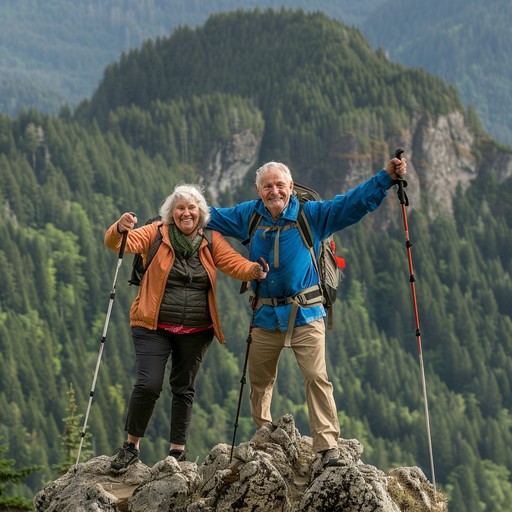
Maybe you’d love to play golf into your 80s, continue working, volunteer, look after grandchildren, walk through Europe, maintain your garden or simply be able to get up and down from the floor without assistance.
Don’t just think about how long you want to live.
Think about how you want to live.
That distinction is important.
2. Create a Bucket List
A bucket list doesn’t need to be filled with skydiving, climbing Everest or swimming with sharks.
It simply needs to contain things that excite you.
Write down experiences you’d love to have during the next few decades.
It could include:
- Hiking in another country
- Taking your family on a special holiday
- Learning a new language
- Completing a long-distance walk
- Starting a new business
- Learning to surf
- Playing with your future grandchildren
- Volunteering for an organisation you care about
- Running or walking a particular event
- Travelling around Australia
- Learning a new skill
Your list is personal.
More importantly, once you’ve written it down, ask yourself another question:
What sort of physical and mental condition will I need to be in to actually do these things?
Suddenly, looking after your health has a much bigger purpose.
3. Set Yourself a BHAG
In business, there’s a term called a BHAG: Big, Hairy, Audacious Goal.
It’s a goal that feels exciting, ambitious and perhaps even a little intimidating.
Five years ago I set the goal to have 5 studios before I turn 50!
Why shouldn’t we have BHAGs for our health and our lives?
Maybe you want to trek to Everest Base Camp at 65.
Maybe you want to complete your first half marathon at 55.
Maybe you want to be travelling internationally at 80.
Or perhaps your BHAG is simply to remain strong enough to live independently into your 90s.
Having something big on the horizon gives your training a purpose.
You’re no longer exercising because someone told you that you “should.”
You’re training for something.
4. Build the Body Your Future Life Will Require
This is where exercise becomes incredibly important.
If your bucket list involves travelling, hiking, playing with grandchildren, working, gardening or simply maintaining your independence, your body needs to be capable of doing those things.
For adults over 50 and 60, maintaining strength should be a priority.
A well-rounded exercise program should include:
- Strength training
- Cardiovascular fitness
- Balance
- Mobility
- Coordination
- Core strength
Strength training becomes particularly important as we get older because maintaining muscle and physical capacity helps us continue performing everyday activities independently.
Think of your training as an investment in your future physical freedom.
The goal isn’t necessarily to become the strongest person in the gym.
It’s to remain strong enough for life.
5. Keep Challenging Your Brain
Healthy aging isn’t only physical.
Your brain needs challenges too.
Learning new skills, reading, travelling, solving problems, maintaining social connections and continuing to work or volunteer can all help keep you engaged with the world around you.
Retirement doesn’t have to mean stopping.
For some people, it might mean finally having the freedom to start something completely different.
You might mentor younger people, join a community organisation, study something you’ve always been interested in, volunteer or work a few days per week doing something you enjoy.
The important thing is to remain curious.
Keep learning.
Keep challenging yourself.
6. Find a Purpose Bigger Than Exercise
One of the biggest mistakes we can make with fitness is making exercise itself the goal.
Exercise is the tool.
Living well is the goal.
Your reason for training might be keeping up with your grandchildren.
It might be travelling.
It might be continuing to run your business.
It might be staying independent.
It might simply be waking up every morning knowing you have something meaningful planned for the day.
Purpose gives us direction.
And when your health and fitness are connected to something meaningful, staying consistent becomes much easier.
7. Stop Waiting for the “Right Time”
It’s easy to tell ourselves:
“I’ll get fit when work settles down.”
“I’ll start after the holidays.”
“I’ll have more time when I retire.”
But the years have an annoying habit of moving quickly.
The physical condition you’re in at 70 will be heavily influenced by the habits you establish in the decades beforehand.
You don’t need to completely overhaul your life tomorrow.
Start small.
Train consistently. Walk regularly. Eat well most of the time. Maintain friendships. Learn new things. Book the trip. Enter the event. Write the bucket list.
And give yourself something exciting to work towards.
Your Final Decades Could Be Your Best Decades
Ageing doesn’t mean you have to stop setting goals.
In fact, the opposite may be true.
Your 50s, 60s, 70s and beyond can contain some of the most rewarding experiences of your life.
But you need the health, strength and confidence to enjoy them.
At Live Well, we work with adults who want to remain strong, active and independent as they get older. Personal training isn’t simply about what you can lift today. It’s about building a body that allows you to keep doing what you love tomorrow.
So take out a piece of paper and write down three things:
What do I want to be doing 10 years from now?
What’s on my bucket list?
What’s my BHAG?
Then ask yourself:
What do I need to start doing today to make that future possible?
Don’t just count the days.
Make the days count.