No matter how organised, motivated, or disciplined you are, life will eventually throw something your way that disrupts your plans.
A bad week at work. An injury. Financial stress. Relationship challenges. A missed opportunity. A fitness setback.
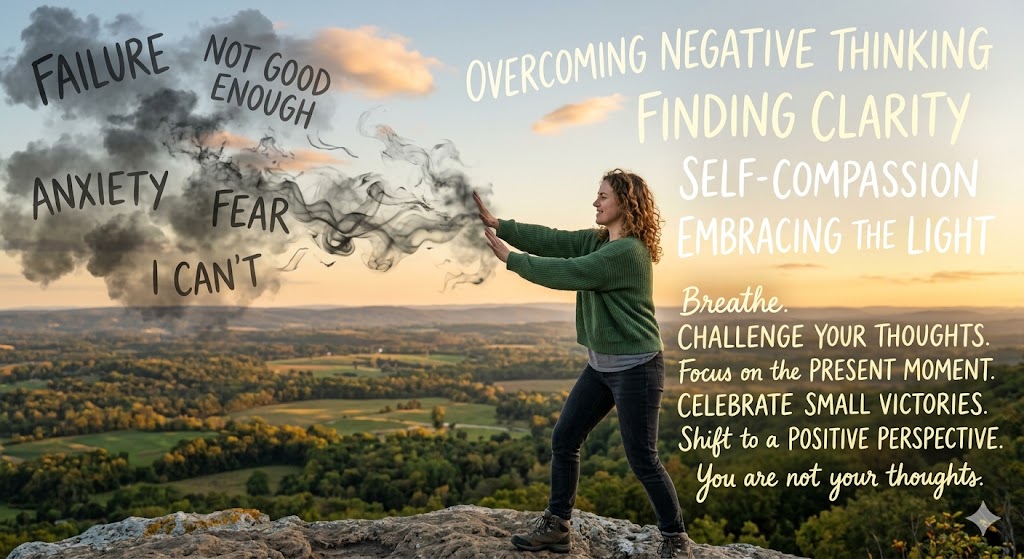
And when things don’t go to plan, it’s very easy to become frustrated, angry, emotional, or overwhelmed. Negative thoughts can quickly take over and cloud your judgement, leading you to make decisions based on emotion rather than logic.
The problem is, once negative thinking gains momentum, it can affect every part of your life including your health, relationships, sleep, motivation, and confidence.
The good news is that mindset is something you can train, just like fitness.
Why Negative Thinking Happens
As humans, we are wired to focus on threats and problems. It’s part of our survival instinct. When things go wrong, the brain naturally looks for danger, blame, and worst-case scenarios.
This activates the body’s stress response and increases hormones like cortisol and adrenaline. While this response can help us react quickly in dangerous situations, chronic stress and negative thinking can leave us feeling mentally exhausted, anxious, and emotionally reactive.
Over time, this can lead to:
- Increased stress and anxiety
- Poor sleep
- Low motivation
- Emotional eating
- Reduced energy
- Lack of confidence
- Difficulty concentrating
- Increased risk of depression
The key is learning how to interrupt this cycle before it controls you.
8 Proven Ways To Overcome Negative Thinking And Build Resilience
1. Pause Before Reacting
When emotions are high, judgement is often low.
Instead of immediately reacting, give yourself space to think clearly. Go for a walk, take a few deep breaths, or remove yourself from the situation temporarily.
Sometimes the best response is no response until you calm down.
2. Focus On What You Can Control
One of the biggest causes of frustration is spending energy on things outside your control.
Instead, shift your attention to what you can influence:
- Your attitude
- Your habits
- Your actions
- Your effort
- Your response
This creates a sense of empowerment instead of helplessness.
3. Challenge Negative Thoughts
Not every thought you have is true.
When negative thoughts appear, ask yourself:
- Is this fact or emotion?
- Am I catastrophising the situation?
- What would I say to a friend in this position?
- Will this matter in 6 months?
Often, problems feel bigger in the moment than they really are.
4. Practice Gratitude
Gratitude helps shift the brain away from threat mode.
Even during difficult times, there is usually still something positive to appreciate:
- Your health
- Family and friends
- Opportunities
- Lessons learned
- Progress you’ve already made
Research shows gratitude can improve mood, reduce stress, and increase resilience.
5. Stay Connected
Isolation often makes negative thinking worse.
Talk to someone you trust. Sometimes simply speaking things out loud can help you process emotions more clearly and gain perspective.
Strong social connection is one of the biggest predictors of long-term mental well-being.
6. Avoid Making Emotional Decisions
Many people make poor decisions when angry, stressed, or frustrated.
Whether it’s quitting something, sending an emotional message, overeating, drinking excessively, or giving up on goals, emotional reactions rarely lead to positive outcomes.
Give yourself time before making major decisions.
7. Keep A Routine
When life feels chaotic, structure creates stability.
Simple habits like waking up at the same time, eating well, exercising, and getting outside can help you regain control and momentum.
Small wins build confidence.
8. Exercise Regularly
Exercise is one of the most powerful tools for improving mindset and mental resilience.
Not only does it improve physical health, but it directly changes brain chemistry.
How Exercise Improves Mental Health And Reduces Stress
When you exercise, your body releases chemicals often referred to as “feel good” hormones.
These include:
Endorphins
Endorphins help reduce pain and create feelings of happiness and wellbeing. This is often why people feel mentally better after a workout.
Dopamine
Dopamine is linked to motivation, reward, and pleasure. Regular exercise can help improve motivation and reduce feelings of apathy or low mood.
Serotonin
Serotonin helps regulate mood, sleep, and anxiety. Exercise has been shown to naturally increase serotonin levels, helping people feel calmer and more emotionally balanced.
Reduced Cortisol
Exercise can also help lower chronic stress levels by reducing cortisol, the body’s primary stress hormone.
Exercise Helps You Build Mental Resilience
One of the most underrated benefits of exercise is that it teaches you how to overcome negative thinking.
Every workout challenges you to:
- Push through resistance
- Stay disciplined
- Problem solve
- Control emotions
- Stay consistent even when you don’t feel like it
Those same skills transfer directly into everyday life.
People who exercise regularly often cope better with stress because they’ve trained themselves mentally as well as physically.
Progress Over Perfection
Life will never go perfectly all the time.
There will always be setbacks, frustrations, delays, and unexpected challenges.
What matters most is how you respond.
Instead of allowing negative thoughts to take control, focus on building habits that strengthen both your body and mind.
Exercise regularly. Stay connected. Control what you can. Take action. Keep moving forward.
Because often, the strongest people are not the ones who avoid challenges, but the ones who learn how to navigate them with resilience.